
Counseling and SEL Documentation Software for School-Based Providers
Spend more time supporting students and less time on counseling and SEL paperwork. Document the goals addressed, skills practiced, and student responses, then generate progress reports in seconds from your session records.
Access Beta
Your counseling and SEL tools, in one place
Organize individual sessions, small groups, student goals, and progress updates in one place, so planning and documentation take less time throughout the school day.


Spend less time on counseling and SEL paperwork
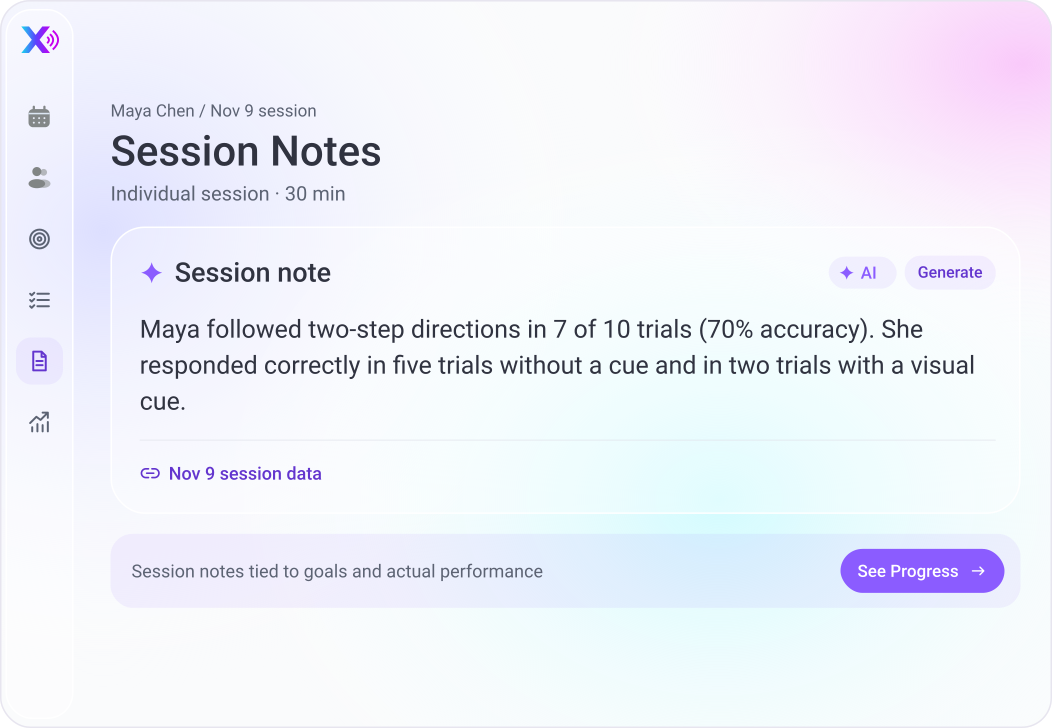
Record how students use coping, emotional awareness, problem-solving, and relationship skills during sessions. Use documented responses and observations to prepare notes and reports that explain progress and guide follow-up support.
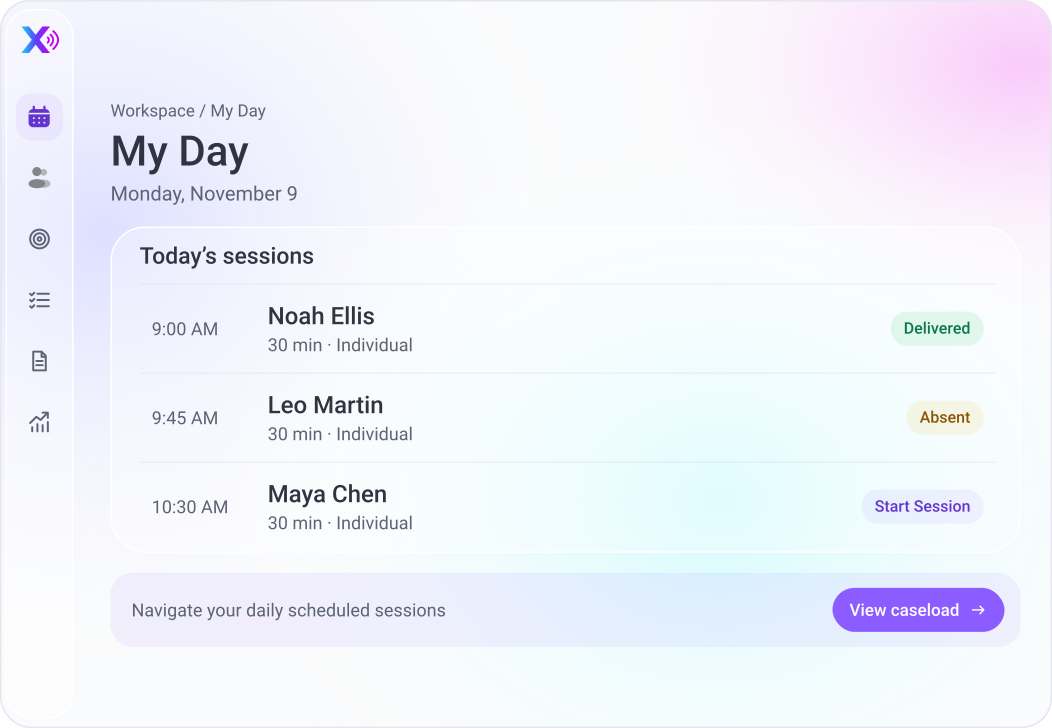
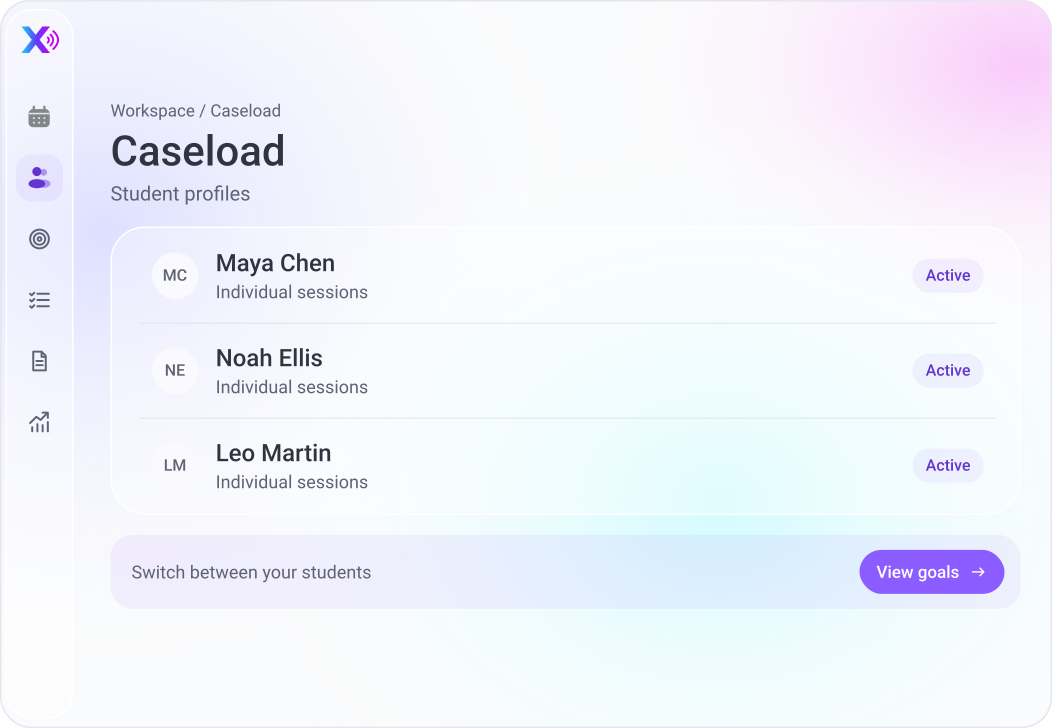
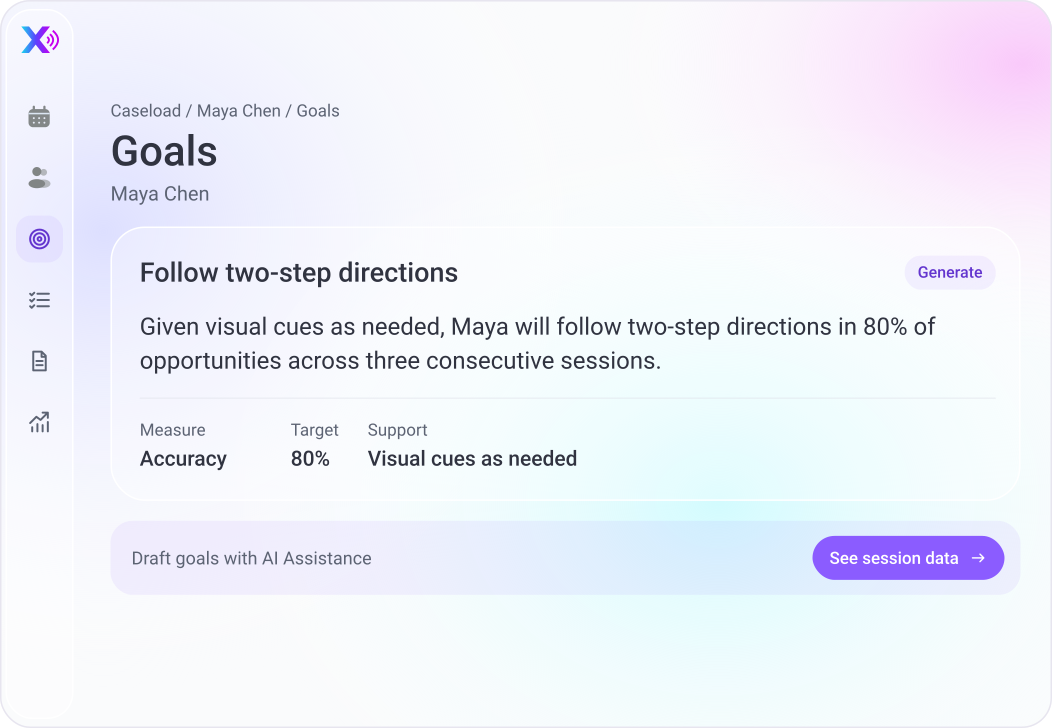
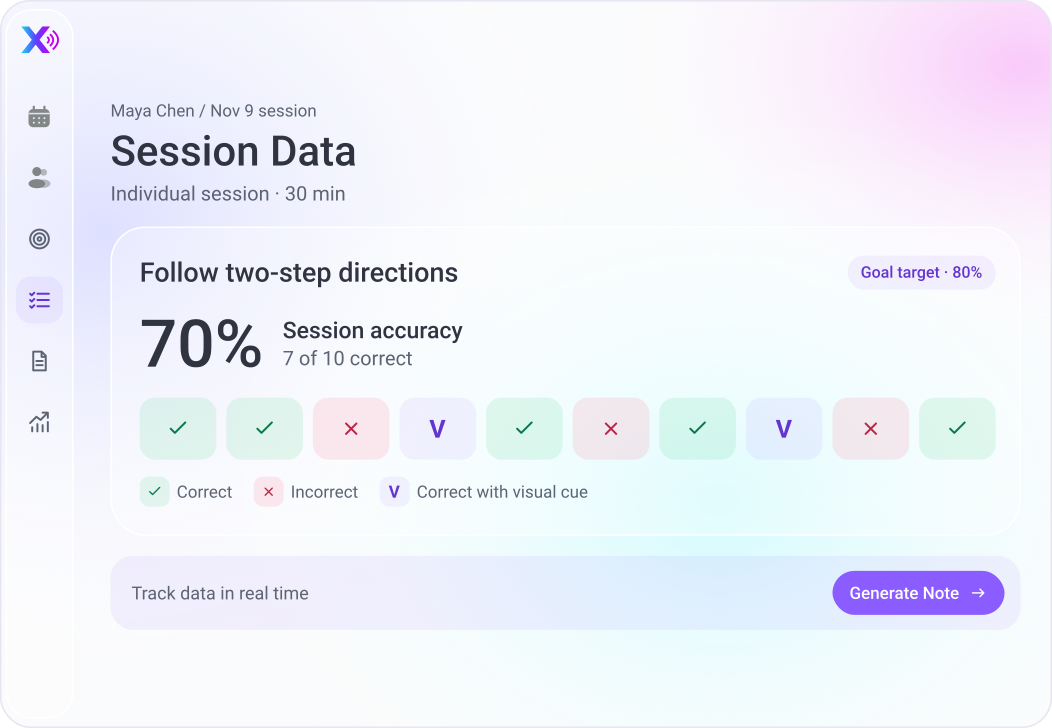
For counselors and SEL providers across school settings
Keep student goals, observations, notes, and progress reports in one place, wherever you provide counseling and SEL services.
Keep up with notes between online sessions
Back-to-back student sessions leave little time for notes. Record the goal addressed, skills practiced, student responses, and support provided. Use those observations to draft progress updates and plan follow-up support.

Goals for individual student needs
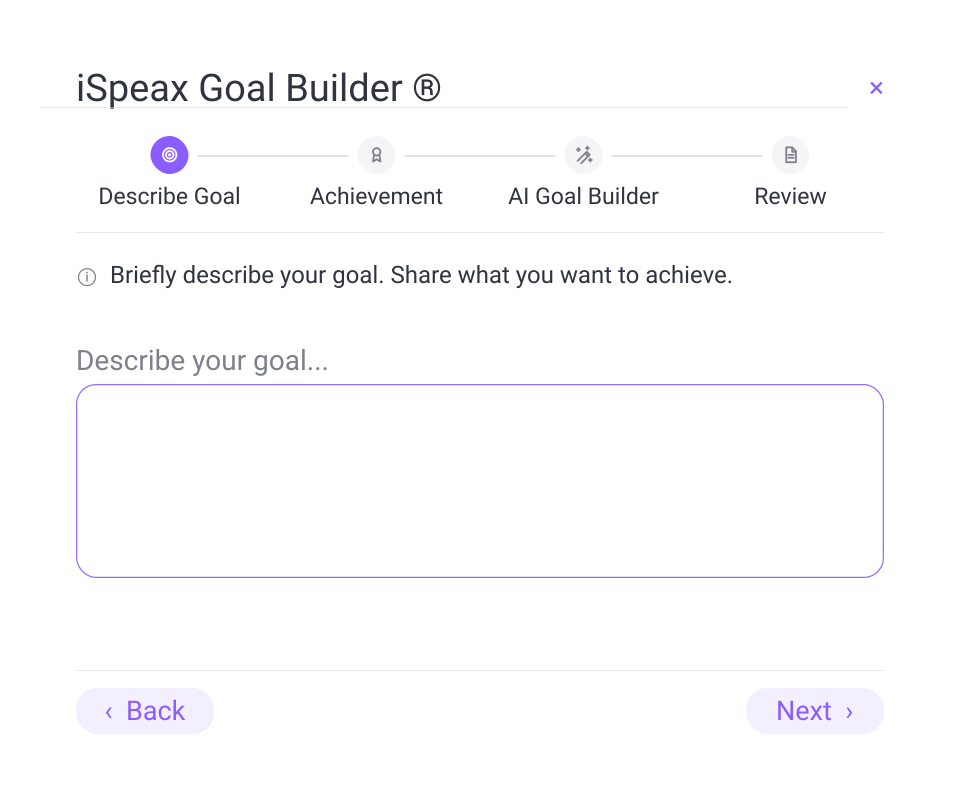
Use the goal builder to write measurable targets for coping, emotional awareness, problem-solving, and relationship skills.

Notes about the skills practiced
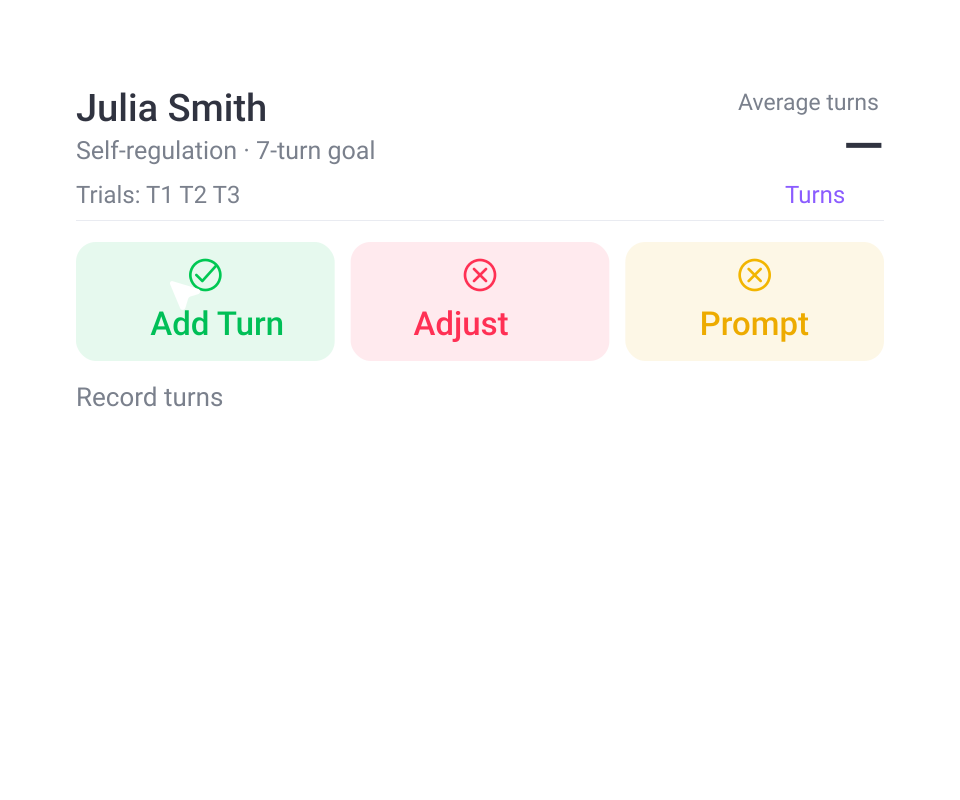
Record the goal addressed, student responses, and whether skills were used independently or with support.

Progress updates from session records
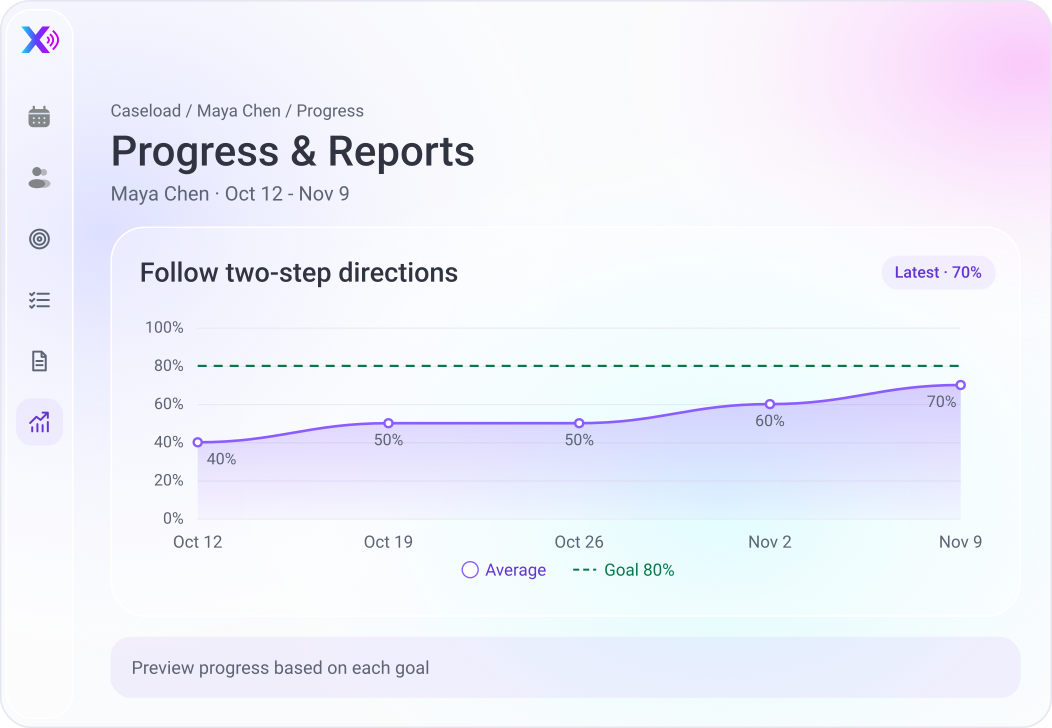
Generate reports using documented observations and results to describe progress and plan next steps.
Make more time for students during a busy school day
Individual check-ins, small groups, and classroom SEL lessons can fill your day. Document how students use the skills you practice and the support provided so you can prepare updates for school-team discussions.

Observable goals for school participation
Use the goal builder to define targets for coping, social problem-solving, and relationship skills.
Notes for individual and group support
Document the goal addressed, skill practiced, student responses, and assistance provided.

Updates for student-support discussions
Review recorded observations when describing progress and planning support with the school team.
Make more time for skill-building and family conversations
Conversations with families are easier to prepare when session observations are organized. Record how students practice coping, problem-solving, and relationship skills, then use those details to discuss progress and opportunities for practice at home.

Goals for skills used in daily life
Set observable targets that reflect the student’s coping, emotional awareness, and relationship needs.

Observations that support family guidance
Record skill practice, student responses, and support provided during sessions.
Progress to discuss with families
Prepare updates from documented observations and identify opportunities for practice at home.
Spend less time preparing counseling and SEL progress updates
Student sessions, classroom lessons, and team meetings leave limited time for paperwork. Keep observations and progress data with the goals addressed, then draft updates for your review when planning ongoing support.
Measurable student-support goals
Define observable criteria for the skills a student is learning and the support needed to use them.
Notes about skill use and assistance
Document how students responded during individual sessions, groups, or classroom support.
Progress updates for ongoing planning
Use goal data and observations to draft updates for your review when planning continued services.
Student Data. In One Place.
Write measurable goals based on student needs and track how skills are used independently or with support. Use those observations to summarize current performance and draft present levels for students receiving services through an IEP.

Choose a workflow
Open a card to see the iSpeax demo.
One Workflow From Goals to Reports
Create measurable goals, schedule services, collect session data, draft notes, monitor progress, and generate reports from one connected workspace.

Less paperwork. More time for students.
Keep appointments, student goals, counseling and SEL notes, and progress updates in one place, so documentation takes less time between student sessions.